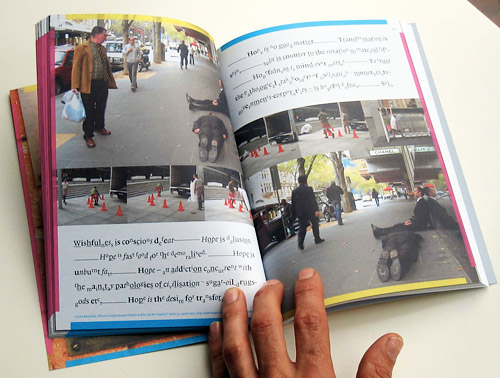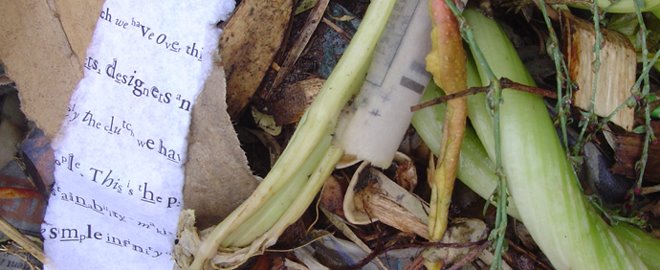

Urban environments and indeed their shopping possibilities cannot exist without the destruction of natural ecologies. Everything made for the development of the urban environment has been made possible by destroying a non-urban environment. Every inch of granit paving, every bottle of ground water, every grain of imported rice, every petro-packaged good, every garment for sale that appears in a capitalist paradice of desire – the city – has originated from some form of abuse.
The liberal ideology that has so successfully and civilly implemented this system, and which encases the dominant psychology of the city, probably did originate from a "good" place (in terms of social inclusion), in other words the distribution of wealth to a greater majority. But liberalism's failing, outside of the social construction of the "wage-slave" (David Graeber, among others), has been its exclusion of ecologic functioning for the inclusion (or obsession) of human aspiration. For the past 200 years of liberal idealism we are now beginning to pay the price. And what is ultimately the price of a society based on ever-expanding desires? I believe it will be in the form of the re-distribution of poverty; designed, if we're smart, violent and horrible if we continue to be not.